


Choosing the right roofing material for your home can feel overwhelming—especially with so many options to consider. For many Indiana homeowners, the decision often comes down to two popular choices: asphalt shingles and metal roofing.
Understanding the differences between these materials is essential to making an informed decision that aligns with your budget, aesthetic preferences, and long-term goals.
In this comprehensive guide, we'll explore the pros and cons of both asphalt shingles and metal roofing to help you determine which option is the best fit for your Indiana home.
Asphalt Shingles vs Metal Roofing
Before diving into the specific advantages and disadvantages of each material, it's helpful to understand the fundamental differences between asphalt shingles and metal roofing.
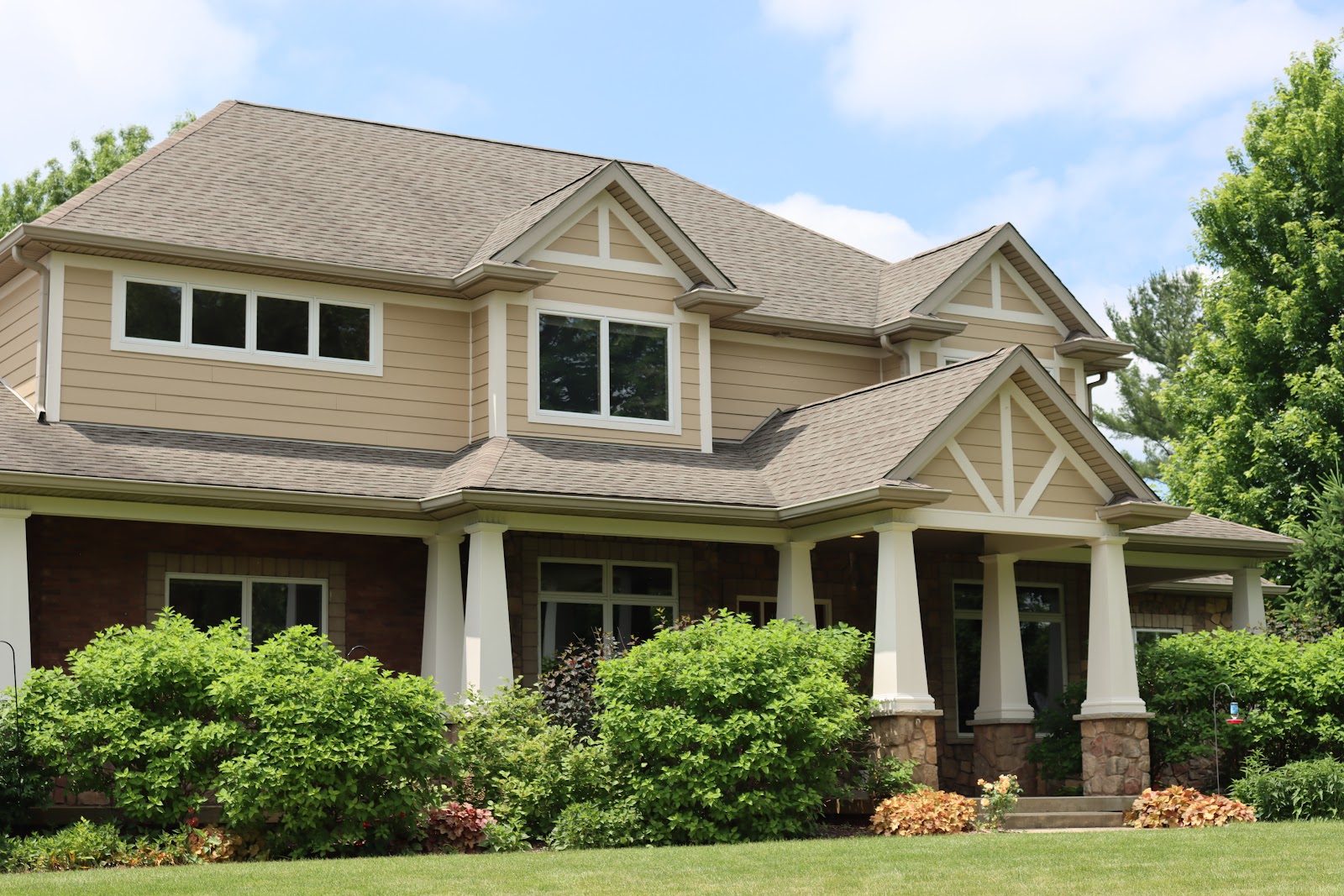
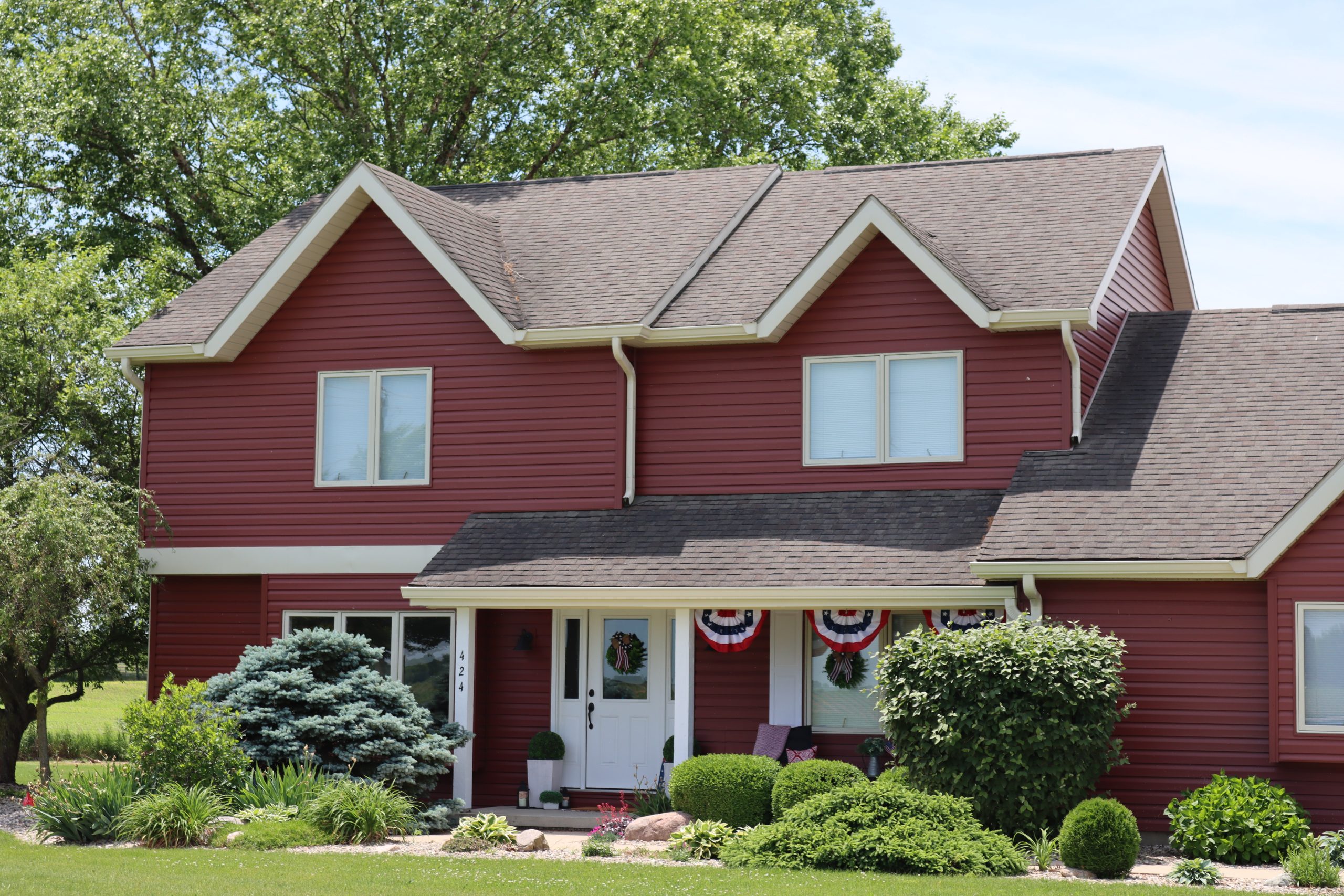
Asphalt shingles have been the traditional roofing choice for Indiana homes for decades. They're composed of a fiberglass or organic mat base, coated with asphalt and topped with ceramic granules that provide color and UV protection. Available in two main types—three-tab shingles and architectural (dimensional) shingles—asphalt roofing offers versatility in style and price point.
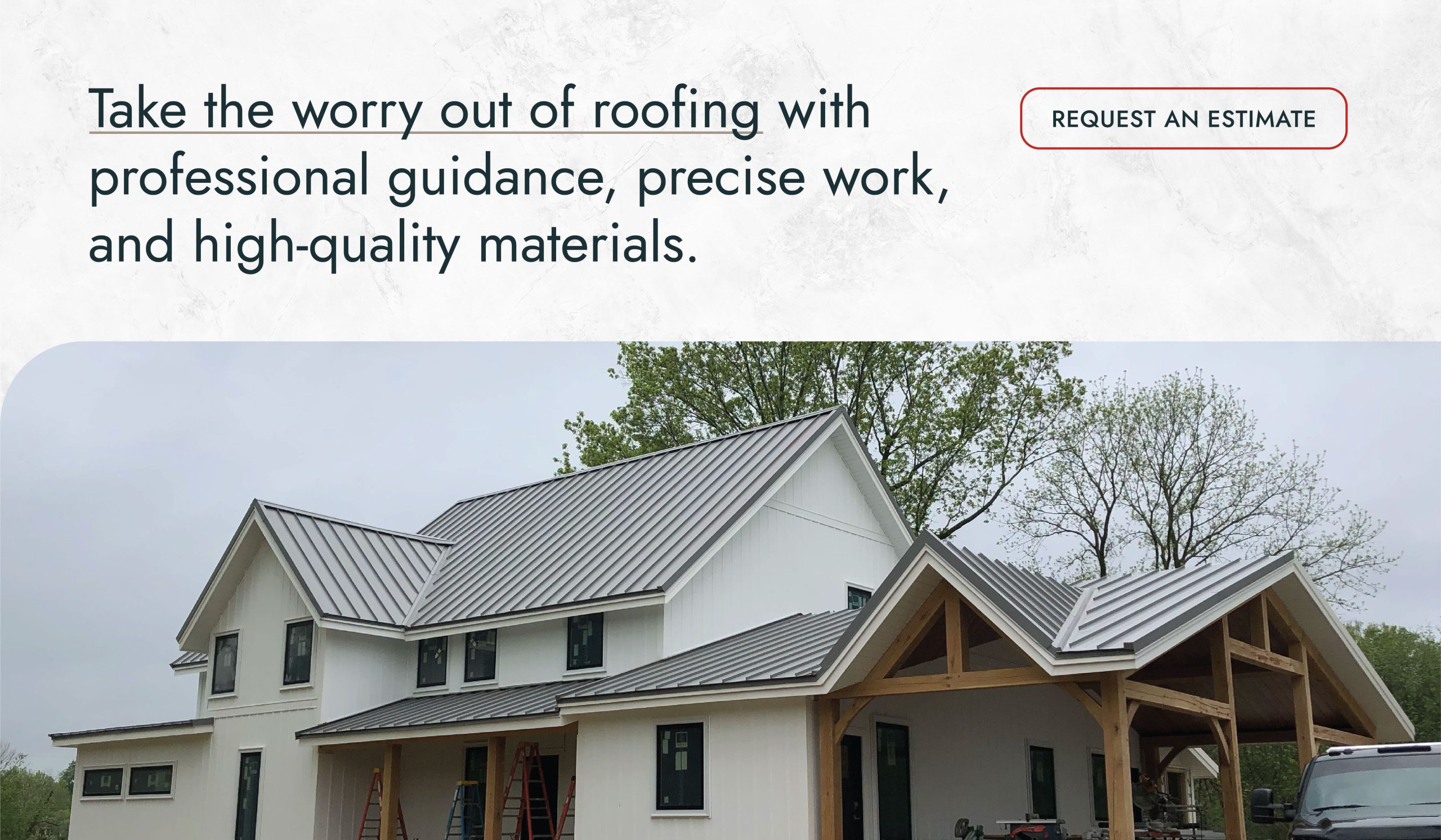
Metal roofing, on the other hand, represents a more modern approach to Indiana residential roofing. Made from materials like steel, aluminum, copper, or zinc, metal roofs come in various styles, including standing seam panels, metal shingles, and corrugated sheets. While once primarily used for commercial or agricultural buildings, metal roofing has grown in popularity for Indiana homes due to its durability and energy efficiency.
The choice between asphalt and metal roofing often comes down to balancing initial costs against long-term value, weighing aesthetic preferences, and considering how each material performs in Indiana's climate—with its temperature extremes, precipitation, and occasional severe weather events.
Asphalt Shingle Roofing Pros and Cons
Asphalt shingle roofing has been a popular choice for Indiana homes for decades for a variety of reasons. However, it’s important to consider both the positive and negative side to this roofing material.
Pros of Asphalt Shingles
Affordability: Asphalt shingles are significantly more budget-friendly than metal roofing, both in terms of material costs and installation expenses. For homeowners working within a tight budget or those who need to replace a roof unexpectedly, asphalt shingles provide an accessible option without sacrificing quality.
Aesthetic: Whether you prefer a traditional look or something more contemporary, asphalt shingles offer an extensive range of colors, textures, and styles. From shingles that mimic the appearance of slate or wood shake to bold architectural designs, you can find options that complement your home's architectural style perfectly.
Ease of Installation & Replacement: With how common this roofing material is, most roofing professionals are very familiar with both the installation and replacement processes. The relative ease of these processes means most professionals can have the projects done quickly and efficiently, saving you on labor.
Cons of Asphalt Shingles
Shorter Lifespan: The most significant drawback of asphalt shingles is their limited lifespan. These roofs typically last anywhere between 20 and 30 years, depending on weather exposure, ventilation, shingle type, and maintenance.
Lower Wind Resistance: While they are able to withstand moderate winds, the shingle nature of asphalt roofing means they are more susceptible to uplift from particularly strong winds and weather conditions. This sometimes causes loosened or cracked shingles that can lead to leaks or roof damage.
Higher Maintenance: Due to their shorter lifespan and the potential impact of the weather, asphalt roofs tend to need more maintenance over time. Indiana's freeze-thaw cycles can be particularly harsh on asphalt shingles, potentially leading to premature deterioration, cracking or curling with age, and loose granules.
Metal Roofing Pros and Cons
Metal roofing has become more and more popular for Indiana homes thanks to its resistance to extreme weather changes and energy efficiency. Still, there are some drawbacks to keep in mind as well.
Pros of Metal Roofing
Durability & Lifespan: Metal roofs are built to last, with lifespans typically ranging from 40-80 years, depending on the material. Some metal roofs, particularly copper or zinc, can last even longer with proper maintenance. There is also a level of durability that allows them to withstand more for longer. It resists wind damage (often rated for winds up to 140 mph), won't crack or corrode, and handles snow and ice efficiently. Metal roofs are also fire-resistant and impervious to insects and rot.
Energy Efficiency: Metal roofs are one of the top energy-efficient roofing options available in the residential sector. They reflect solar radiant heat rather than absorbing it, which can reduce cooling costs and energy usage by up to 50%. In Indiana's hot summers, this translates to real savings on your energy bills. Many metal roofs also qualify for energy-efficient tax credits.
Lower Maintenance: Once installed, metal roofs require minimal upkeep. They don't support moss or algae growth, won't crack or curl, and rarely need repairs. An occasional inspection and cleaning are typically all that's required to keep a metal roof in excellent condition.
Cons of Metal Roofing
Initially More Expensive: The most significant barrier to metal roofing is the upfront investment. Metal roofs typically cost two to three times more than asphalt shingles when considering both materials and installation. However, when you factor in the longer lifespan and reduced maintenance costs, the long-term value proposition becomes more favorable.
Noise Concerns: While proper insulation and underlayment can minimize this issue, metal roofs can be noisier during rain or hailstorms compared to asphalt shingles. For some Indiana homeowners, this is a non-issue; for others, it may be a consideration worth addressing with additional soundproofing.
Potential Denting: Depending on the gauge and type of metal used, some metal roofs can be susceptible to denting from large hail or falling branches. Harder metals like steel or aluminum alloys are more resistant, but softer metals like copper may show dents more readily.
The Best Roofing Material for Indiana Homes
Choosing between asphalt shingles and metal roofing ultimately depends on your specific circumstances, priorities, and long-term plans for your home.
Asphalt shingles may be the better choice if you're working with a limited budget, plan to sell your home within the next 10-15 years, or prefer the traditional aesthetic that asphalt shingles provide. They're a solid, reliable option that has served Indiana homeowners well for generations.
Metal roofing, however, is worth the investment if you're planning to stay in your home long-term, value energy efficiency and sustainability, or want to minimize future maintenance and replacement costs. The initial expense is offset by decades of worry-free performance and potential energy savings.
Your roof is more than just a covering for your home; it's a crucial component that protects your investment and contributes to your home's comfort and efficiency. By carefully weighing the pros and cons of asphalt shingles vs metal roofing, you can make a confident decision that serves your Indiana home well for years to come.
Need help deciding? Talk with local roofing professionals to go over every aspect and find the perfect fit for your home.