


If you've lived in Indiana, you know our weather doesn't play favorites. One week it's a thunderstorm with hail, and the next it's a bitter freeze followed by a sudden thaw. For homeowners across the Hoosier State, choosing the right roofing material is a long-term investment in your home's protection.
Understanding the best roof types for Indiana homes, including asphalt shingles, exposed fastener metal, hidden fastener metal, and metal shingles, is the first step toward making a smart, lasting choice.
Why Indiana’s Weather Matters When Choosing a Roof
Indiana's four-season climate puts roofing systems through some of the most varied stress of any region in the country. Spring and summer bring severe thunderstorms, high winds, hail, and the occasional tornado threat. The heat and humidity alone can cause many roofing materials to expand, loosen, or crack over time.
Fall adds heavy moisture from rain and fallen leaves that clog gutters and cause water to pool on the roof. This extra moisture can make your roof more prone to unwanted growths like algae and moss, which can cause your shingles to break down much faster.
Then, winter arrives with heavy snow loads, ice dams, and relentless freeze-thaw cycles that pry open any existing cracks and shift shingles out of place.
Best Roof Types for Indiana Homes
No single roofing material is immune to all of Indiana’s weather conditions, but some perform significantly better than others. Knowing the difference between your options is what separates a roof that holds up for 50 years from one that needs constant repairs.
As a Lafayette, Indiana roofing contractor, we regularly and install and recommend these roofing options for Indiana residents.
Asphalt Shingles
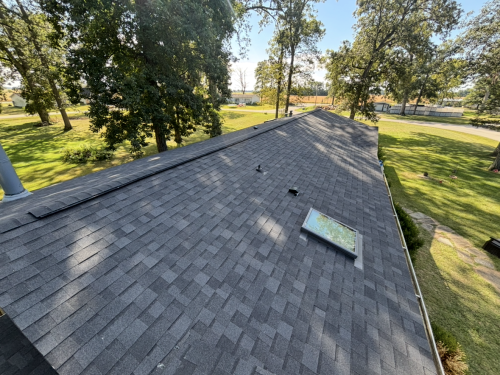
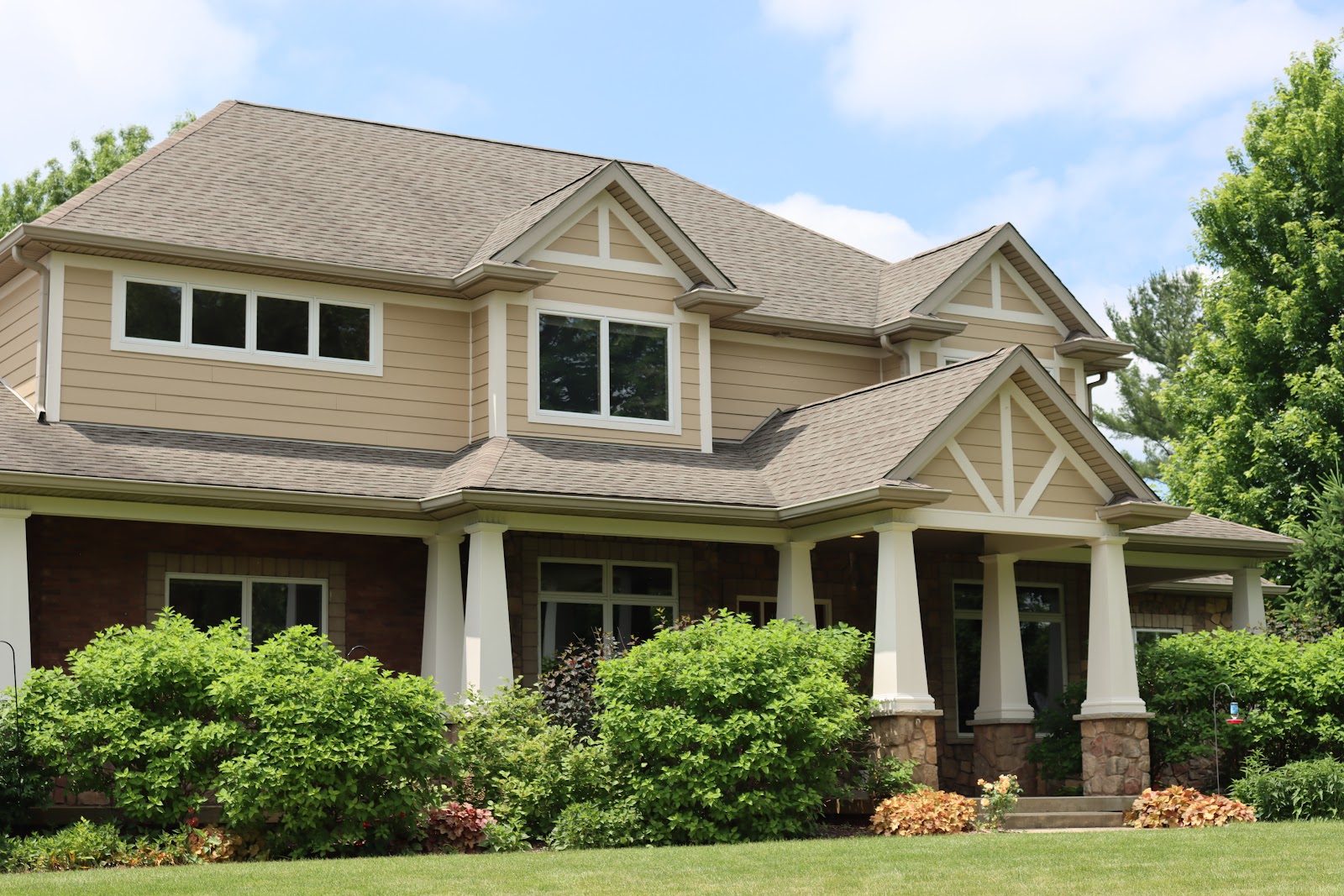
Asphalt shingles have been the go-to roofing choice for Indiana homeowners for generations. They're made with a fiberglass or organic mat core, covered in asphalt, and finished with ceramic granules that provide color and help deflect UV rays. They come in two main types: the more traditional three-tab shingles and the thicker, more dimensional architectural shingles.
For Indiana homes on a budget, asphalt shingles offer a hard-to-beat combination of affordability, curb appeal, and accessibility. Most roofing contractors in Lafayette, Indiana and across the state are well-versed in installing and repairing them, which also keeps labor costs competitive.
However, they only have a lifespan of 20-30 years, especially in Indiana’s weather. Asphalt roofs can withstand moderate winds, but the shingle nature means they are more susceptible to uplift from particularly strong winds and weather conditions. This sometimes causes loosened or cracked shingles that can lead to leaks or roof damage.
Pros:
- Wide range of styles and colors to suit any home aesthetic
- Affordable with lower upfront costs compared to metal roofing options
- Widely available and easy for contractors to install or replace
Cons:
- Shorter lifespan than metal alternatives
- More vulnerable to wind uplift during Indiana storms
- Require more frequent maintenance
Exposed Fastener Metal
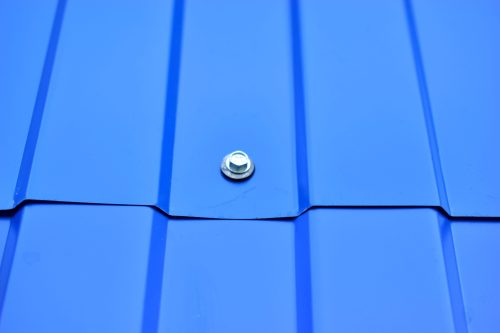
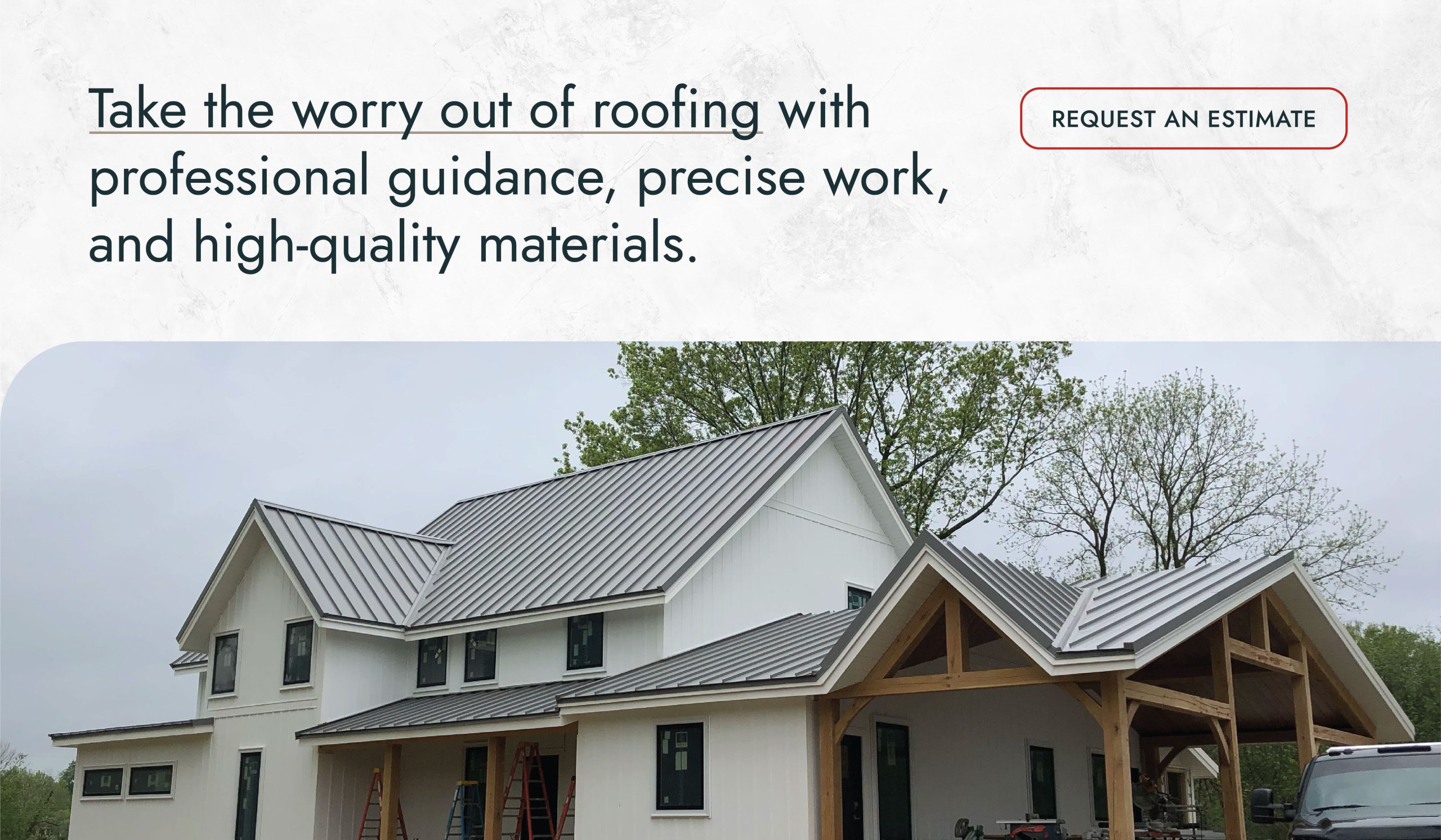
Metal roofing has grown in popularity across Indiana. Exposed fastener panels are one of the best ways of gaining the benefits of a metal roof without breaking the bank. These panels are secured directly to the roof deck with screws that remain visible on the surface. Each screw includes a rubber washer designed to keep moisture out.
For Indiana homeowners who want the durability and energy efficiency of metal roofing without the premium price tag, exposed fastener systems are a good option. However, the tradeoff is more regular maintenance and a lower lifespan than other metal roofing options. Indiana's dramatic temperature swings cause metal to expand and contract repeatedly. Over time, this can loosen those exposed screws and compromise the waterproofing at each fastener point.
The increased wear and tear from exposure to the elements means these roofs usually have a lifespan of 20-40 years in the Midwest, depending on how regularly you schedule maintenance.
Pros:
- Faster installation, meaning lower labor costs
- Energy efficient as the metal reflects heat to reduce cooling loads in Indiana summers
- More affordable than other metal roofing options
Cons:
- Exposed fasteners wear down faster due to weathering and temperature cycling
- Some homeowners find the visible hardware less visually appealing
- Potential noise concerns
- Potential denting from severe Indiana weather like hail
Hidden Fastener Metal
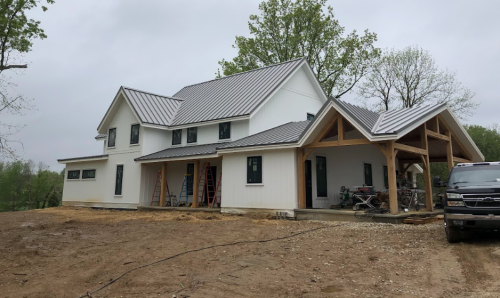
If exposed fastener metal roofing is the entry-tier choice, hidden fastener metal roofing is the premium one. Rather than screwing panels directly through the surface, these systems use clips and concealed hardware that attach behind the face of the panel. The finished product shows no visible fasteners at all—just clean, interlocking seams.
By keeping all hardware tucked inside the panel joints and away from direct exposure, hidden fastener systems are far less vulnerable to the weathering and temperature-driven expansion that causes problems in Midwest climates. There's less opportunity for moisture intrusion, less chance of screws loosening, and lower long-term maintenance demands overall. However, with that added protection comes extra cost.
Still, with a typical lifespan of 30-50 years, hidden fastener metal roofing is one of the most resilient options available for Indiana homeowners thinking in terms of decades rather than years.
Pros:
- Lower maintenance requirements
- Great durability in Indiana’s freeze-thaw cycles and temperature swings
- Clean, modern aesthetic with no visible hardware
- Energy efficient
Cons:
- May take longer to install due to the extra steps of hiding any fasteners
- Higher upfront cost than exposed fastener metal or asphalt shingles
- Potential noise concerns
- Potential denting from severe weather like hail
Metal Shingles (DECRA)
For homeowners who want metal roofing performance without giving up the traditional look of shingles, metal shingles—particularly DECRA stone-coated shingles—offer the best of both worlds. These are metal panels with a stone-coated finish that closely mimics the look of traditional asphalt shingles, giving your home a classic appearance with a far more advanced protective layer underneath.
Metal shingles are engineered to withstand winds up to 120 mph, which is a significant advantage during Indiana's severe spring and summer storm seasons. They're also rated for fire resistance, which can make them insurance-friendly. In fact, some homeowners see reductions in their premiums when they add this feature to their homes. The stone coating also helps insulate the attic space, reducing summer cooling costs and making them one of the most energy-efficient roofing options available.
For Indiana homeowners who have resisted metal roofing purely for aesthetic reasons, metal shingles are worth looking into, especially with a lifespan of 40-80 years.
Pros:
- Traditional shingle appearance with metal durability
- Exceptional wind resistance
Fire-resistant, which may lower insurance premiums - Energy efficient as it can reduce attic temperatures and long-term cooling costs
Cons:
- Higher upfront cost than standard asphalt shingles
- Noise concerns
How to Choose the Right Roofing Material for Your Indiana Home
With four solid options on the table, the right choice comes down to a few key factors specific to your situation:
Budget: Asphalt shingles offer the lowest upfront cost. If budget is the primary concern right now, they remain a reliable choice. But keep in mind you will need to plan for more frequent maintenance and a potential replacement sooner than metal alternatives.
Long-term plans: If you're staying in your home for 20+ years, the higher upfront cost of hidden fastener metal or DECRA shingles often pays off in lower maintenance costs and a longer lifespan before replacement.
Storm exposure: Homes in areas more frequently hit by severe hail or high winds may benefit most from the superior wind ratings and impact resistance of metal options, particularly DECRA metal shingles.
Aesthetics: If the look of your home matters to you, asphalt shingles and DECRA metal shingles both offer traditional curb appeal. Exposed and hidden fastener panels have a more modern, industrial look that suits certain architectural styles.
Energy efficiency: All metal roofing options outperform asphalt shingles when it comes to reflecting heat, but DECRA's stone coating adds additional insulation value that makes it particularly strong in this category.
Again, there isn’t necessarily a right or wrong answer, just what’s right for you and your specific situation.
Choosing the best roofing for Indiana weather is a decision you'll live with for decades. Whether you're leaning toward the tried-and-true affordability of asphalt shingles or the long-term performance of a hidden fastener metal roof, the most important step is working with experienced local roofing contractors who understand what Indiana's climate demands.